Medspa Practice Sales: The Key to Converting Consultation Leads
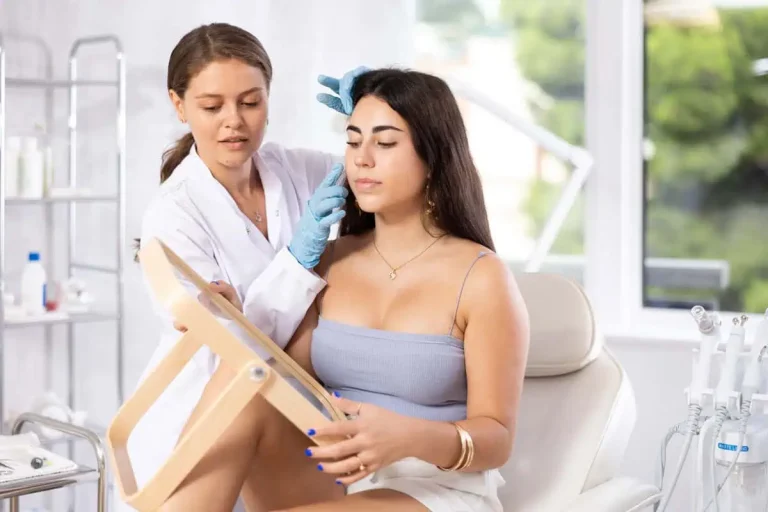


A full consultation calendar can create a false sense of security in a medspa. Owners look at booked consults and assume growth is on track, only to discover at the end of the month that treatment volume is flat, injectables revenue is inconsistent, and expensive marketing campaigns are feeding a pipeline that leaks at the point of decision.
That leak is rarely caused by a weak ad campaign alone. More often, it comes down to how the practice handles the sales moment inside the consultation itself. Medspa Practice Sales is not about pushing people into treatments they do not need. It is about creating a structured, ethical process that helps the right patient move from curiosity to confidence.
I have seen the same pattern in practices of every size, from a single-provider boutique medspa to multi-location groups with a dedicated sales coordinator. The practices that convert well do not necessarily have the best location, the lowest prices, or the largest social following. They usually have something more important. They know exactly how a consultation should flow, who owns each step, and what must happen before the patient walks out the door.
When a consultation ends with, “Let me think about it,” there is usually more behind that phrase than simple indecision. Sometimes the patient is price sensitive. Sometimes they are overwhelmed. Sometimes no one clearly explained the treatment path, the timeline, or the expected outcome. And sometimes the staff member conducting the consultation simply avoided the sales conversation because they did not want to feel pushy.
That hesitation is expensive.
A medspa can spend hundreds of dollars, and in some markets much more, to generate one qualified consultation lead. If that lead appears in person, expresses genuine interest, and then leaves without a next step, the practice has already absorbed the cost of acquisition without capturing the return. Improve conversion by even 10 to 15 percent, and the impact on revenue is often immediate.
Why consultation conversion deserves more attention
Most medspa owners put substantial effort into top-of-funnel activity. They invest in paid ads, referral programs, SEO, events, influencer partnerships, and social content. All of that matters. But the consultation is where intent becomes revenue. If the conversion process is loose, inconsistent, or personality-dependent, marketing performance gets blamed for a sales problem.
This is especially common in aesthetic medicine because the sales process is more nuanced than in many other service businesses. Patients are not buying a simple commodity. They are weighing appearance, trust, risk, money, and emotion at the same time. Even when they arrive highly motivated, they may still be nervous about looking unnatural, spending too much, or committing to a plan they do not fully understand.
That means Medspa Practice Sales requires both warmth and structure. One without the other tends to fail. A warm team with no process creates pleasant consultations that do not close. A rigid team with no empathy creates pressure that damages trust and long-term retention.
The strongest practices teach staff to guide, not chase. That difference matters.
The real reason many consultation leads do not convert
Poor conversion is often blamed on “bad leads,” but that explanation usually hides operational issues. In practice, the main causes tend to fall into a few predictable categories.
- The consultation lacks a clear flow, so important points are missed.
- The patient’s goals are discussed only superficially, which makes recommendations feel generic.
- Pricing is introduced awkwardly or too late, creating sticker shock.
- The team does not ask for commitment in a direct, confident way.
- There is no meaningful follow-up plan once the patient leaves.
Each of these issues sounds simple, but together they can drag conversion rates down fast. I have watched front desk teams confirm appointments well, greet patients warmly, and still lose a large percentage of consults because no one was trained to carry the patient from interest to decision.
One medspa owner I worked with had a busy injector and a steady stream of new consults for facial balancing and lip enhancement. Her assumption was that lead quality was the issue because consult volume was healthy but bookings were underwhelming. After reviewing the process, the problem was clear. The provider spent almost the entire consultation educating, then ended with something like, “If you want to move forward, let us know.” No treatment plan was presented in a concrete way. No options were framed. No next appointment was secured. Patients left informed, but not guided.
That is a sales problem, not a lead problem.
Trust closes more medspa treatments than persuasion does
Medspa Practice SalesAesthetic patients are highly sensitive to cues. They can detect uncertainty from a provider in seconds. They can also detect canned enthusiasm from a coordinator who sounds like they are reading from a script. Good sales performance in a medspa comes from confidence anchored in clinical clarity.
The patient needs to feel three things before they commit. First, they need to believe the provider understands what they actually want. Second, they need to believe the recommendation is tailored to them. Third, they need to believe the practice can deliver the result safely and consistently.
This is why conversion starts well before any price conversation. It begins with listening. Not passive listening, but active, commercially useful listening. What brought them in today? What have they tried before? What bothered them enough to schedule? Do they have a timeline tied to an event, a divorce, a new job, or simply a growing discomfort when they look in the mirror? Have they had poor results elsewhere? Are they concerned about downtime? Are they trying to stay within a monthly budget?
Those details shape the recommendation and the close. A patient who wants subtle cheek support before a family wedding in six weeks needs a different consultation approach than a patient interested in full skin rejuvenation over the next year. If the provider or consultant treats both conversations the same way, conversion suffers.
What a high-converting consultation actually looks like
The best consultations feel natural to the patient, but behind that ease is a disciplined framework. The provider or consultant is not improvising the key moments. They are moving through a sequence that builds confidence and reduces friction.
It usually starts with rapport, but not small talk for its own sake. The goal is to lower tension and make the patient feel seen. Then comes goal discovery, which should be more specific than, “What brings you in?” A patient might say they want Botox, but the real goal could be looking less tired in photos, softening a harsh expression at work, or preventing deeper lines because they watched a parent age in a certain way.
Once goals are clear, the recommendation has to be translated into a treatment plan the patient can visualize. This is where many practices lose momentum. They explain the science, name the products, and talk about benefits, but they do not package the plan in a way that feels actionable.
A strong recommendation sounds grounded and clear. It might be framed as, “Based on what you told me, I would start with this area first because it will give you the biggest visible change with the least downtime. Then, if your goal is smoother texture and better brightness, we can stage skin treatments over the next few months.”
That kind of language does two things. It demonstrates judgment, and it makes the path forward easier to accept.
Price resistance is often clarity resistance
There are patients for whom price is the true barrier. No sales system can change basic affordability. But many objections that sound financial are actually signs that the value was not fully established.
When a patient says, “That is more than I expected,” the issue may be one of four things. They may not understand why the recommended treatment mix is necessary. They may be comparing your quote to an incomplete or lower-quality alternative. They may be anxious about committing all at once. Or they may simply need options that let them phase care over time.
Practices that convert well rarely respond to price hesitation by discounting immediately. They slow the conversation down, reinforce the why behind the recommendation, and, where appropriate, repackage the plan into stages.
This is especially important in Medspa Practice Sales because treatment plans often combine immediate and long-range goals. A patient may need toxin now, filler later, and energy-based skin work over several months. If you present the whole roadmap as one intimidating total without context, many patients freeze. If you stage it properly, the same patient often says yes to phase one and books the rest later.
A useful rule is this: never let a patient leave confused about what is essential, what is optional, and what can wait.
The handoff problem that quietly kills conversion
In many medspas, the consultation is split across multiple people. A front Aesthetic Brokers Medspa Practice Sales desk coordinator checks the patient in. A patient care coordinator asks intake questions. A provider performs the evaluation and makes recommendations. Someone else discusses pricing and scheduling. That model can work well, but only if the handoffs are precise.
Poor handoffs create doubt. The patient repeats themselves. Recommendations get softened or misquoted. Pricing is presented without conviction. Follow-up becomes nobody’s clear responsibility.
I have seen practices improve conversion without changing providers, ad spend, or treatment offerings simply by tightening internal communication. If the injector says a patient is an excellent candidate for a three-session skin series, the coordinator should not casually ask at checkout, “Did you want to book something?” They should continue the recommendation with confidence and context. The language matters. So does tone.
A patient who just heard a credible plan from a provider should experience a seamless bridge into scheduling and payment. If that bridge breaks, the emotional momentum disappears.
Training staff to sell ethically and comfortably
Some medspa teams struggle because they associate sales with pressure. That mindset creates timid consultations and passive closes. Ethical sales in aesthetics is not about forcing a decision. It is about helping a patient choose with enough clarity that they can act.
That requires training, and not just once during onboarding. Role-play matters. Objection handling matters. Reviewing recorded calls, if legally and ethically appropriate, can matter. So can mystery shopping and shadowing top performers. The goal is to make staff fluent in common scenarios so they do not retreat when the conversation turns to money or commitment.
A practical training focus should include the following:
- How to uncover the real motivation behind the appointment
- How to explain treatment plans in patient-friendly language
- How to present pricing without apologizing for it
- How to ask for the booking directly and professionally
- How to follow up in a way that feels personal rather than automated
The phrase “without apologizing for it” is especially important. Staff members who tense up when discussing price send a signal that the treatment might not be worth it. Patients pick up on that instantly. A confident coordinator can communicate the same number with a completely different effect.
The close should feel natural, not abrupt
Many medspas do a solid job for most of the consultation, then mishandle the final two minutes. They educate, connect, and recommend, but fail to ask for the next step clearly.
Closing does not need to sound aggressive. It does need to be explicit.
A weak close sounds like, “So just let us know if you want to do it.”
A stronger close sounds like, “Given your goals and timeline, I would recommend we reserve your first treatment within the next two weeks. We have openings on Thursday and Saturday. Which works better for you?”
That is not pressure. It is leadership.
There is also a significant difference between closing for treatment today and closing for the next best action. In some medspas, same-day treatment is appropriate and desirable. In others, medical protocols, scheduling limitations, or patient preference make that unrealistic. Either way, the consultation should end with a concrete commitment. That could be a treatment appointment, a deposit, a follow-up review, or a financing application. What should not happen is an open loop.
Follow-up is part of sales, not an afterthought
A surprising number of practices put enormous effort into attracting consults and almost none into post-consult follow-up. They send one generic text, maybe a canned email, and then move on. That approach leaves money on the table, particularly in higher-ticket aesthetic cases where patients need a little time.
Good follow-up is timely, specific, and connected to the consultation conversation. A patient who came in for body contouring has different concerns than someone considering under-eye filler. A message that references their goals, treatment plan, and timing will outperform a generic “checking in” every time.
Timing matters too. A same-day message can reinforce the recommendation while the interaction is fresh. A second touch within two or three days can answer practical questions. A later follow-up can be tied to availability, a relevant event timeline, or a helpful clarification, not artificial urgency.
One practice I know increased consult conversion meaningfully just by changing who owned follow-up. Instead of leaving it to front desk staff between other tasks, they assigned it to one trained coordinator who reviewed each consult, personalized outreach, and tracked outcomes weekly. No dramatic software change. No major discount campaign. Just clear accountability and better execution.
Metrics that reveal whether the problem is marketing or sales
You cannot improve Medspa Practice Sales by instinct alone. Owners need a few basic numbers, consistently tracked. Not dozens, just the right ones.
Consultation-to-treatment conversion rate is the most obvious. But it is only the start. You also want to know how conversion varies by provider, service category, lead source, and whether the consult happened in person, by phone, or virtually. The average value of booked treatment plans matters too, because a high conversion rate with low-value bookings can still leave growth on the table.
If one provider converts 70 percent of filler consults and another converts 35 percent, that deserves investigation. It may be a bedside manner issue. It may be treatment pricing. It may be patient selection. It may also reveal that one person is comfortable making recommendations and the other is not.
A useful rhythm is to review a small set of sales metrics every week and a broader trend view every month. Waiting until quarter-end is too slow. By then, poor habits are already entrenched.
Technology helps, but it will not rescue a weak consultation
CRMs, lead nurturing tools, online booking systems, and automated reminders all have value. They can shorten response times, improve organization, and support follow-up consistency. But technology cannot compensate for an unclear recommendation or an untrained closer.
I have seen medspas buy expensive software while ignoring the basics of consultation structure. The result is usually the same. Leads are contacted faster, but not converted better. The core conversation still determines whether the patient feels ready to move forward.
Use technology to support the sales process, not replace it. Templates can save time. Automation can prevent dropped leads. Dashboards can expose weak spots. But the human interaction remains the conversion point.
Common edge cases and how experienced teams handle them
Not every consultation fits the ideal path. Some patients bring a friend whose opinions dominate the room. Some arrive with unrealistic expectations shaped by filters and celebrity images. Some are bargain shopping across multiple practices. Some are excellent candidates but visibly anxious.
Experienced teams do not force the same script on every case. They adjust without losing structure. With the bargain shopper, they avoid racing to the bottom on price and instead emphasize safety, outcomes, and provider judgment. With the anxious patient, they slow down, answer questions carefully, and sometimes close for a smaller first step. With the unrealistic patient, they protect the practice by setting boundaries and, when necessary, declining to treat.
That last point matters. Higher conversion is not the same as saying yes to everyone. A strong sales process includes discernment. The wrong patient can consume time, generate complaints, and hurt reputation. Good Medspa Practice Sales increases revenue by converting the right patients more consistently, not by lowering standards.
Building a culture where conversion improves month after month
The medspas that sustain strong performance usually treat sales as an operational discipline, not a personality trait. They do not rely on one naturally charismatic injector or one especially persuasive coordinator. They build repeatable habits into the business.
That culture shows up in small ways. Team members review wins and losses without defensiveness. Objections are discussed openly. Providers understand they are part of sales whether they like that label or not. Front desk staff know their role extends beyond hospitality. Owners coach from data instead of reacting emotionally to a slow week.
There is also an attitude shift that often separates average practices from exceptional ones. The best teams believe that a well-run consultation is a service in itself. They know patients arrive uncertain, and that guidance has real value. When staff genuinely believe that the recommended treatment plan can help the patient reach a desired outcome, asking for the booking stops feeling uncomfortable.
That is the heart of it. Conversion improves when confidence, clarity, and consistency come together.
A medspa does not need a flashy script or a hard-sell culture to grow consultation revenue. It needs a process that makes patients feel understood, gives providers a reliable framework, and ensures every lead is moved toward a clear next step. When that happens, marketing dollars work harder, schedules fill with better cases, and revenue becomes more predictable.
For owners focused on growth, this is where attention pays off fastest. Tighten the consultation. Train the team. Track the right numbers. Follow up like each lead matters, because it does. That is how consultation traffic turns into booked treatment plans, stronger retention, and healthier Medspa Practice Sales.
Aesthetic Brokers
800 Silverado St #301A, La Jolla, CA 92037, United States
+1 619-742-0310
FAQ About Medspa Practice Sales
How do I sell my med spa in San Diego?
Begin by defining your goals and organizing financial statements, treatment revenue, membership obligations, equipment records, leases, and staffing information. An advisor can help assess market positioning, identify suitable buyers, and coordinate a confidential process. Qualified legal and accounting professionals should review the proposed transaction structure, agreements, and any ownership or regulatory requirements that apply to your practice.
How do you value a medical practice to sell in San Diego?
A valuation typically considers sustainable earnings, documented adjustments, assets and liabilities, comparable transactions, and the practice's specific risks. For a medical spa, recurring memberships, provider retention, patient concentration, equipment obligations, and dependence on the owner may also affect buyer interest. A tailored assessment is more useful than applying a single multiple to revenue, and an estimated value does not guarantee a final sale price.
How long does it take to sell a medical practice?
The timeline varies with financial readiness, buyer availability, financing, due diligence, lease approvals, and the complexity of the transaction. Preparing accurate records and clarifying transition responsibilities can help reduce avoidable delays. Sellers should discuss their circumstances with their advisors and allow flexibility rather than relying on a guaranteed closing date.
Ends · CRISTIANFFDQ441